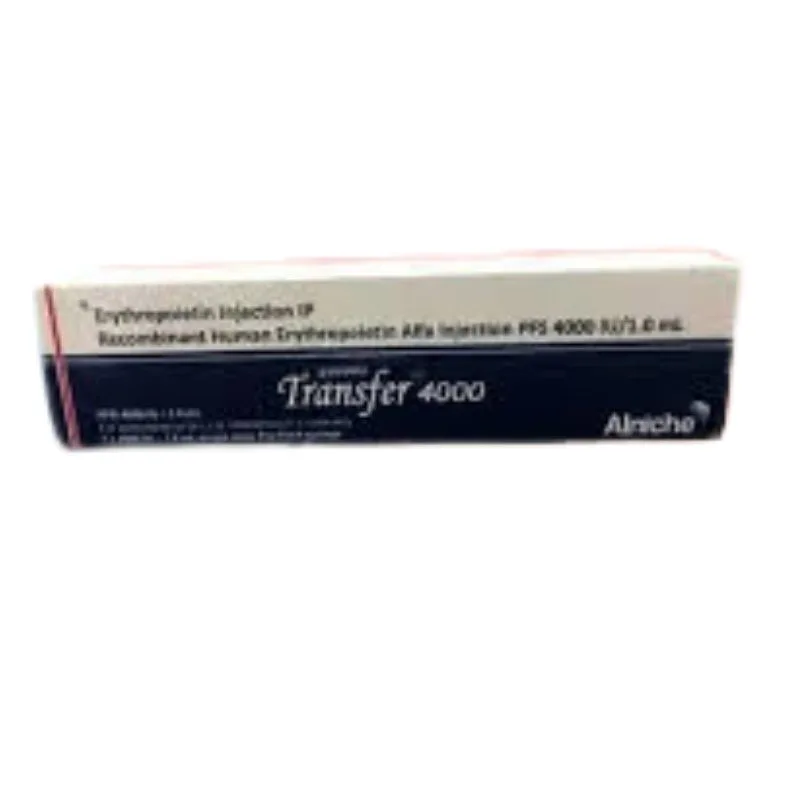
What is Transfer 4000 Injection?
Transfer 4000 Injection is a drug that helps your bone marrow produce more red blood cells. It is used to treat a type of anemia caused by kidney disease. It is also used to treat anemia caused by chemotherapy and by medicines used to treat HIV.
Transfer is given either under the skin or into a vein as advised by your doctor. Usually, the injections are given by a nurse or trained healthcare professional. The dose depends on your body weight and the cause of your anemia. Iron supplements taken before and during treatment may make this therapy more effective. The Transfer 4000 Injection should be stored in a refrigerator but allowed to reach room temperature before use.
The most common side effects of this medicine include nausea, vomiting, fever, and increased blood pressure. It may also cause flu-like symptoms such as headache, tiredness, dizziness, and body pain. These side effects are usually temporary and occur at the beginning of treatment. However, if they persist or worsen, consult your doctor immediately. In rare cases, Injection may cause blood clots that require urgent medical attention.
Before using Transfer, inform your doctor if you have uncontrolled high blood pressure, heart disease, or gout. You should also tell your doctor about all the medicines you are currently taking because they may affect this treatment. Blood pressure should be monitored regularly during therapy. Additional medical tests may also be required to ensure the medicine is working properly and not causing harmful effects. It is not known whether Transfer can harm an unborn baby, so inform your doctor if you are pregnant, planning pregnancy, or breastfeeding.
Benefits of Transfer 4000 Injection
Treatment of Anemia Due to Chronic Kidney Disease
Transfer is a man-made protein that stimulates the bone marrow to produce more red blood cells. It is used to treat anemia caused by kidney disease in adults and children undergoing dialysis.
Anemia occurs when the body does not have enough red blood cells to carry oxygen throughout the body. This treatment helps reduce fatigue and weakness caused by low red blood cell levels. A healthcare professional generally administers a transfer of 4000 after dialysis treatment.
Treatment of Anemia Due to Chemotherapy
Anemia is a common side effect in patients receiving chemotherapy for cancer. Injection helps stimulate the bone marrow to increase the production of red blood cells.
The body’s natural erythropoietin level may decrease during chemotherapy. An injection of Transfer 4000 Injection can help reduce the need for blood transfusions. Doctors may also recommend iron supplements along with this therapy to improve effectiveness.
How Transfer 4000 Injection Works
Transfer belongs to a class of medicines called erythropoiesis-stimulating agents (ESA). It works by stimulating the bone marrow to produce more red blood cells, which improves oxygen supply throughout the body and helps treat anemia.
Quick Tips
- Transfer 4000 Injection helps treat anemia caused by chronic kidney disease or chemotherapy.
- It is usually administered as a single injection under the skin or into a vein.
- Your doctor may recommend regular blood tests to monitor hemoglobin, platelets, and potassium levels.
- Monitor your blood pressure regularly while taking this medicine.
- Stop using Transfer 4000 Injection and consult your doctor immediately if you experience shortness of breath, severe headache, or skin rash.
Frequently Asked Questions
How should Transfer 4000 Injection be stored?
Pre-filled syringes of Injection should be stored in a refrigerator between 2°C and 8°C. If you are using the injection at home, keep it in the refrigerator and avoid freezing it. Allow the syringe to reach room temperature for about 15–30 minutes before use.
What happens if too much Transfer is used?
If you believe an overdose of Transfer 4000 Injection has been administered, contact your doctor or healthcare professional immediately for medical advice.
When should Transfer not be used?
Transfer 4000 Injection should not be used if the solution appears cloudy, contains particles, or has passed its expiry date. Do not use the medicine if it has been accidentally frozen or stored improperly.
Can Injection be used in children?
Yes, Transfer may be used to treat anemia caused by chronic kidney disease in children older than one year. The safety and effectiveness in children are similar to those observed in adults.
Can a Transfer 4000 Injection affect blood pressure?
Yes, Transfer may increase blood pressure. Patients with hypertension should monitor their blood pressure regularly during treatment. If blood pressure remains uncontrolled, the doctor may stop or adjust the treatment.
If you’re looking for similar products, you can also explore Abiraterone 250 mg Tablet from your trusted global medicine exporter.