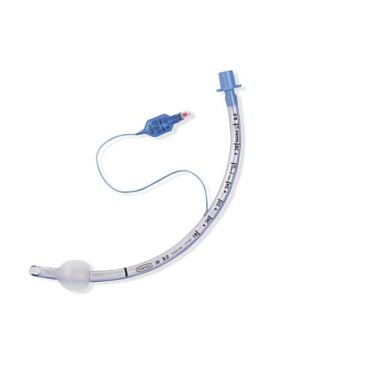

Cuff Endotracheal Tubes What is it?
Endotracheal (ETT) cuff is made to seal off the airway, enabling air to travel through it but preventing fluids or air from flowing around it. The ETT may move intentionally or unintentionally, changing the cuff’s folds and perhaps mobilising secretions that have accumulated.
When should cuffed Endotracheal be used?
We draw the conclusion that cuffed endotracheal may be regularly used in full-term babies and kids under anaesthesia for regulated ventilation.
What distinguishes ET tubes that are cuffed from those that are not?
With no added pressure on the larynx or trachea, cuffed tubes offer a leak-proof connection between the patient’s lung and the bag or ventilator [17]. However, an uncuffed endotracheal tube typically leads to laryngeal damage or air leakage.
What benefit do cuffed endotracheal tubes offer?
- Furthermore, compared to an uncuffed ETT, a modern (low-pressure, high-volume) cuffed ETT can have various benefits,
- such as easier intubation, improved air leakage control,
- A lower rate and better control of anaesthetic gas flow, and a lower risk of aspiration.
Why Rizochem Pharmaceuticals?
With more than a decade of advances in the pharmaceutical export business, Rizochem Pharmaceuticals supplies oncology and chemotherapy medicines worldwide.
We export to over 15 countries, including the UAE, Indonesia, Italy, Germany, and Brazil.
Our commitment provides the world’s leading authentic sources, on-time global shipping, cold-chain logistics, and competitive prices at the wholesale level.
Explore similar products such as Aluminium Elbow Crutch and Corneal Scissors